
Seafood Expo Global 2026 está programado para ser la edición más grande en la historia del evento, con más de 80 países representados y 52,000 metros cuadrados de espacio de exhibición. Una sesión clave sobre la perspectiva económica global para los mariscos cubre las tensiones comerciales, los cambios regulatorios de la UE, los costos de energía y la presión sobre los precios al consumidor. Lo que significa para los compradores y proveedores que navegan en un mercado más complejo en 2026.
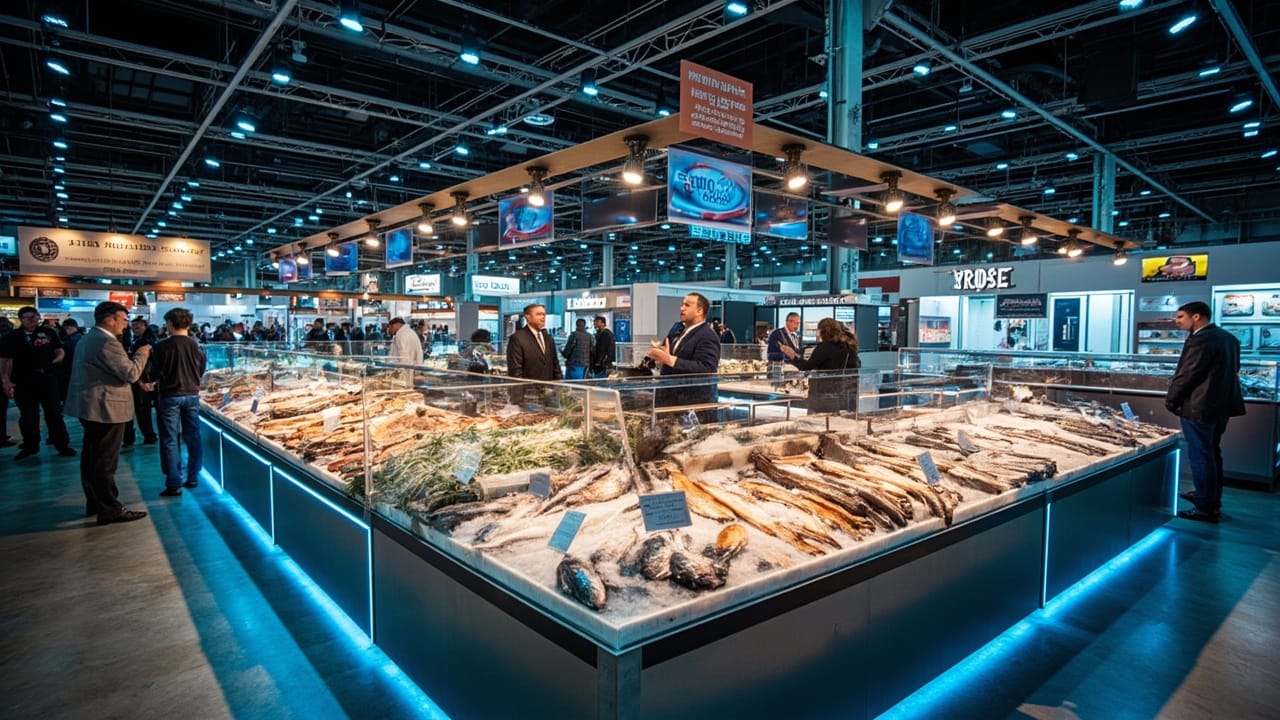
The 32nd edition of Seafood Expo Global, taking place this year, is set to be the largest in the event’s history, bringing together producers, processors, distributors, and buyers from across the global seafood trade.
One of the headline sessions, titled “High Stakes, Shifting Tides: The Global Outlook on Seafood, Trade, Economic Pressure Points and Opportunities,” will provide attendees with a tailored economic outlook for 2026. The session is expected to cover the effects of US-China trade tensions on global seafood supply chains, the impact of EU regulatory changes on import documentation and sourcing decisions, energy price volatility and its effect on cold chain and processing costs, and the growing pressure of consumer price sensitivity across retail and foodservice markets.
For Holt Seafood, trade events like this are an important part of staying close to how the market is shifting. The Barcelona team regularly engages with European buyers and partners to understand firsthand what is driving decisions on sourcing and supplier selection.
The fact that this year’s event is the largest ever, according to Seafood Expo Global organizers, reflects a market that is active, evolving, and increasingly focused on supply chain resilience over pure cost efficiency.
“Buyers are not just looking for product. They are looking for partners who can help them navigate a more complex trading environment.”